Skip to Content

Inventory management with real-time insight

Reliable inventory starts with one up-to-date picture. Connect warehouse, purchasing, sales, delivery, and accounting so you keep exactly the stock you need.

We start by observing your processes. Get to know us without obligation.

Exactly the stock you need.

Too little stock costs sales. Too much stock ties up capital.

  • Up-to-date availability.
  • Insight into inventory value.
  • Reliable deliveries.

From inventory levels to inventory control

An up-to-date inventory position brings calm to sales, purchasing, and the warehouse. You see what is truly available and can improve with focus.

Real-time availability

See what is available, reserved, in transit, with a customer, or at a 3PL.

Control over inventory value

Prevent unnecessary capital from being tied up in your warehouse and use deliberate buffers.

The entire logistics chain

Include intercompany, dropshipping, production, shipping, and returns.

Fewer count discrepancies

Use count discrepancies and returns as management information to solve the underlying causes.

Start on the work floor

Employees know the exceptions and often have the best improvement ideas.

Improve through measurement

Record a baseline, implement an improvement, and measure the result again.

An up-to-date process brings calm

We first observe each process: where does it slow down, where do errors occur, and who does what? Then we describe the scenarios, including exceptions and stock held outside your own warehouse.

An anonymized wholesaler moved from monthly counts to one annual count. This came from better processes and reliable registration, not from software alone.

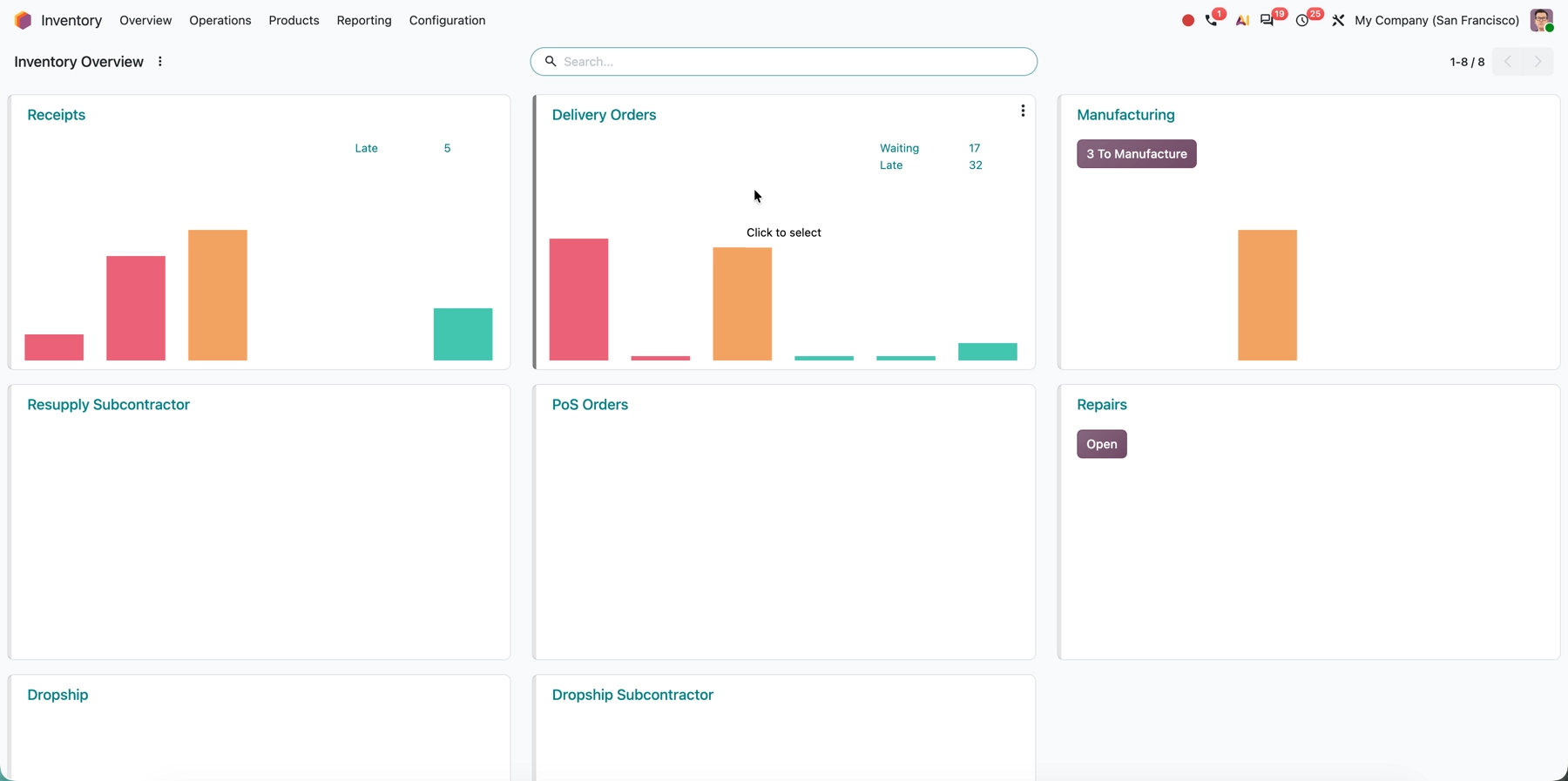
Odoo Inventory dashboard with receipts, deliveries, production, and inventory processes
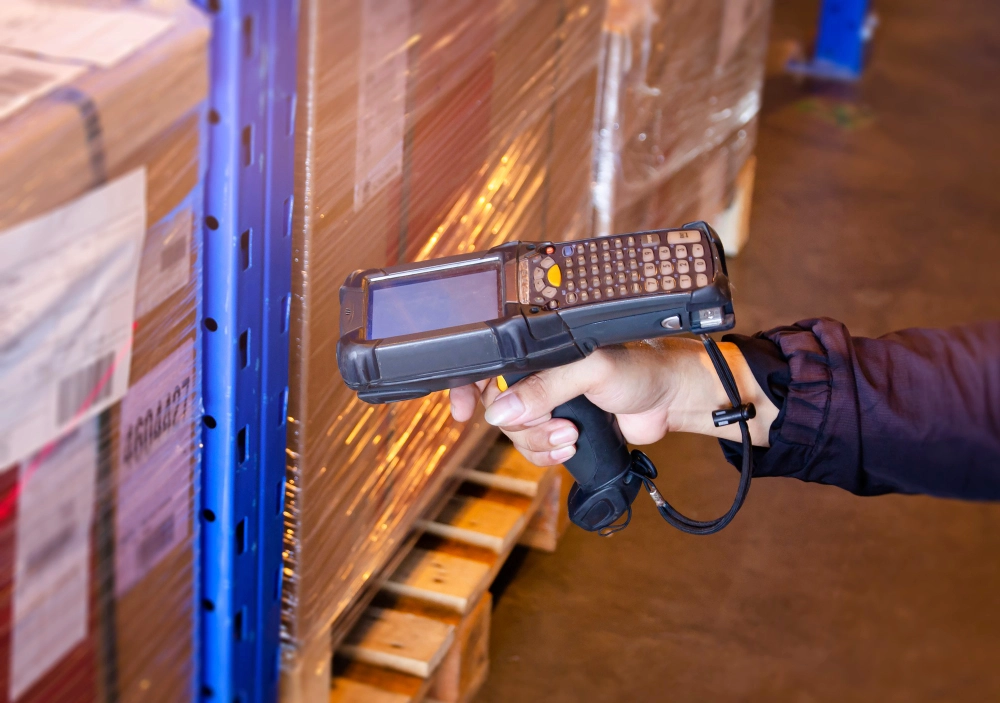
Warehouse employee checks inventory with a handheld scanner

Reliable inventory starts with accurate registration

An up-to-date inventory picture does not come from the system alone. Employees must be able to register receipts, movements, counts, and shipments in a simple way.

With clear working methods and current information, your team sees faster what is available, where deviations arise, and what action is needed.

Improving inventory starts with observing

We do not change things immediately. First we understand the reality, measure the starting point, and improve with focus.

Observe

We observe people, routes, systems, and handovers on the work floor.

Map brengen

We create a warehouse layout and describe your logistics processes.

Set a baseline

We record count discrepancies, returns, inventory value, availability, and lead times.

Improve

We design processes and information around the real bottlenecks, using the work floor as our starting point.

Measure again

We check whether the change really improves inventory, quality, and delivery reliability.
Questions about inventory management

Because sales, purchasing, the warehouse, and management otherwise work with different information. Real-time inventory prevents incorrect promises, stockouts, and unnecessary urgent work.
Yes. Too much inventory ties up capital, takes up space, and can become obsolete. The goal is exactly the stock you need, with deliberate buffers where necessary.
Yes. Inventory outside your own warehouse must also be trackable by quantity, value, reservation, and movement.
Real-time inventory management means receipts, reservations, movements, deliveries, and corrections are processed immediately in the same inventory position.
It depends on risk, value, movement, and process quality. The counting frequency is often an indication of how reliable your inventory system is. The goal is not to count more often, but to register better.
With reliable demand data, lead times, buffers, inventory rules, and current movements. Too much inventory ties up capital; too little causes missed sales and urgent work.
Yes. You can track inventory by warehouse, location, lot, serial number, or external storage. This shows what is available, reserved, in transit, or with a logistics partner.
Yes. Dropshipping, internal replenishment, and intercompany flows can be part of the same logistics setup. The scenarios must be described and tested properly in advance.
We investigate where errors arise: receiving, storage, picking, delivery, or return registration. Then we record a baseline and improve with focus, followed by a new measurement.
Yes. Sales demand can trigger replenishment, purchasing, or production. Connecting that chain shows earlier which materials, capacity, and deliveries are needed.

Plan a free consultation.

We review your inventory processes and determine together where reliable insight will deliver the most value.